09 Feb How Does Botox Help With Grinding Teeth (Bruxism)?
How Does Botox Help With Grinding Teeth (Bruxism)?
Botox (or botulinum toxin) procedures for bruxism are a minimally-invasive treatment that can be administered to help prevent grinding teeth and, as a bonus, provides cosmetic benefits. Some may call it a lunchtime treatment since it can literally be completed over your lunch break. While it may be easy and fast, how does Botox help with Grinding Teeth (Bruxism)?
Botox and Teeth Grinding – What’s The Connection?
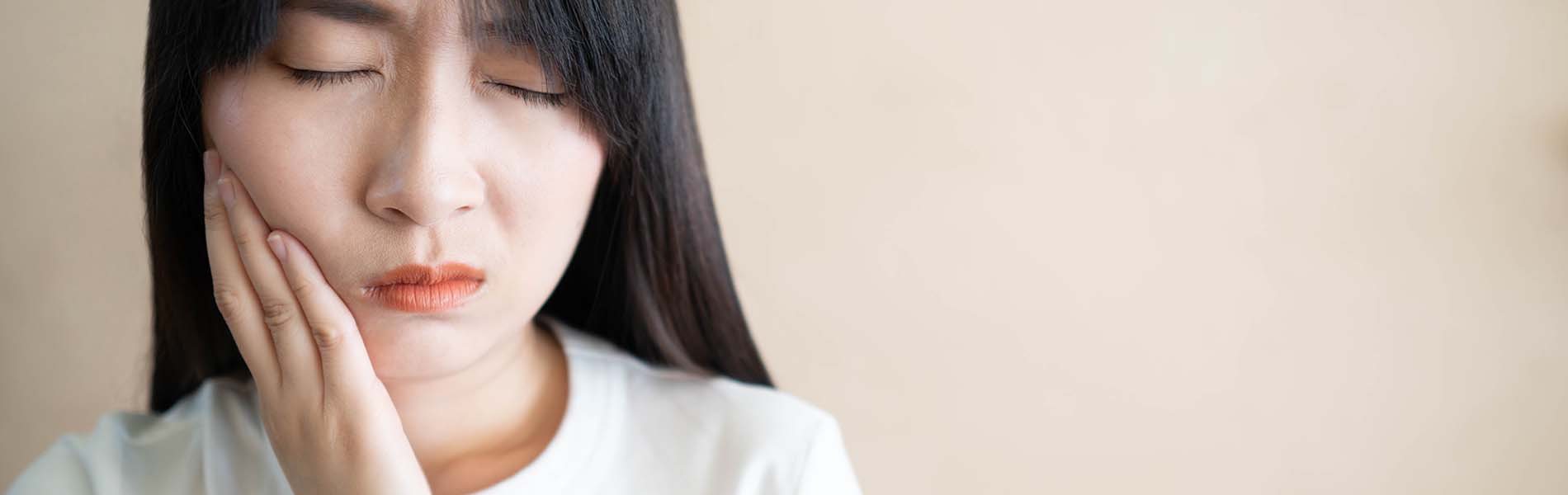
Frequent teeth grinding can damage your teeth, cause severe headaches, and tense your jaw muscles. For many people, unaddressed bruxism can also lead to TMJ disorder, which in turn, leads to dysfunctional temporomandibular joints. Pain in the face, neck, shoulders, around the ears, and jaw is common in TMJ. There can also be painful clicking and popping in the jaw.
Unconscious teeth clenching can be very strong. Night guards help, but only to some extent. Botox injected with a fine needs helps relax the tension in the specific muscles. In addition, your dentist may also recommend using a custom night guard along with Botox therapy.
TMJ and bruxism have common symptoms. Some of those include:
- Sore jaw muscle
- Swelling on the face, neck, and jaw
- Locking, clicking, and popping of the jaw
- Ringing sensation in the ears
- Tension headaches
- Migraines
- Failure of dental restorations
- Tooth damage
- Poor sleep
- Fatigue
- Reduced quality of life
While multiple treatment options exist for bruxism, Botox is afairly new and popular option due to it’s ease and longevity. Early intervention helps control the symptoms and prevent the need for surgery.
If you’re experiencing the above symptoms and have also sought treatment, but nothing really helped, Botox for grinding teeth is worth trying.
How Does Botox Work To Treat Teeth Grinding?
Botox injections relieve the tension of the masseter muscles that move the jaw. The involuntary clenching goes away for several months and requires regular re-administration of the injections. Don’t worry – you won’t lose your ability to talk, eat, or chew. The effects of Botox are limited to the specific site of injection (the masseter muscles). Botox is produced by Clostridium botulinum (a bacteria) that blocks the release of acetylcholine, a neurotransmitter that normally send signals to your muscles. When administered in smaller quantities, the toxin partially paralyzes the muscles and thus makes for a medical treatment for teeth grinding or bruxism. It can last up to six months and must also be administered by a licensed and dentist trained in Botox administration to see effective results. Generally, pregnant women, those with a history of nerve damage, and having certain allergies are not good candidates.
Contact Iroquois Dental Center for Better Assistance!
Botox is considered to be safe. The procedure is quick; there’s no downtime, no residual pain or bruising. Results are nearly instantaneous. If you clench or grind your teeth, schedule a consultation , and we’ll help you develop a treatment plan. Iroquois Dental Center offers exceptional patient care and best-in-class cosmetic dental treatments in Naperville, IL. Call 630-416-0780 and schedule your appointment today or book online at iroquoisdental.com.
No Comments